

Self-Service Ticketing Kiosks are interactive digital kiosks designed to automate ticketing in high-traffic environments such as museums, cinemas, theatres, stadiums and trade shows. These innovative solutions allow users to purchase tickets independently, 24/7, improving crowd flow and the overall visitor experience.
With over 30 years of experience in the Digital Signage sector, Fida develops robust and easily integrated digital totems, providing a concrete response to the needs of efficiency, digitalization and accessibility in modern ticketing.
What Is a Self-Service Ticketing Kiosk
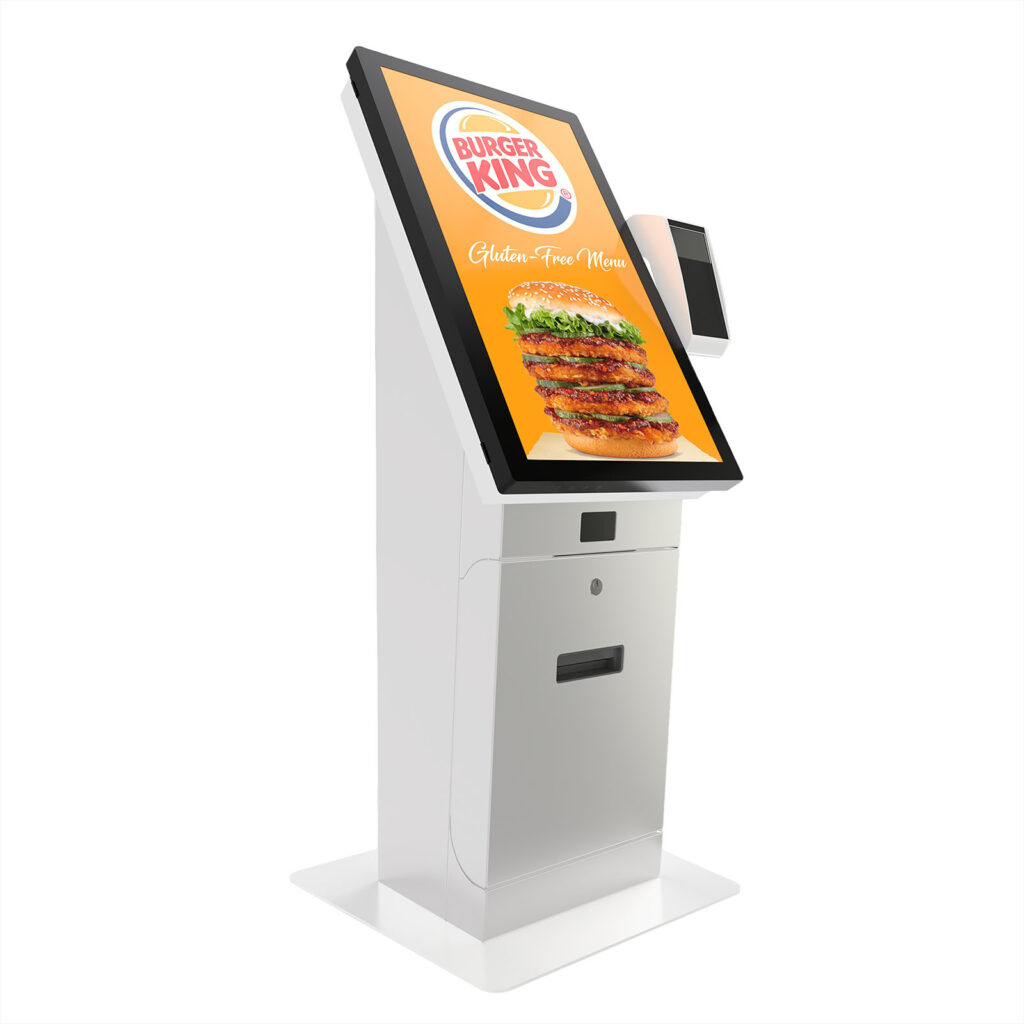
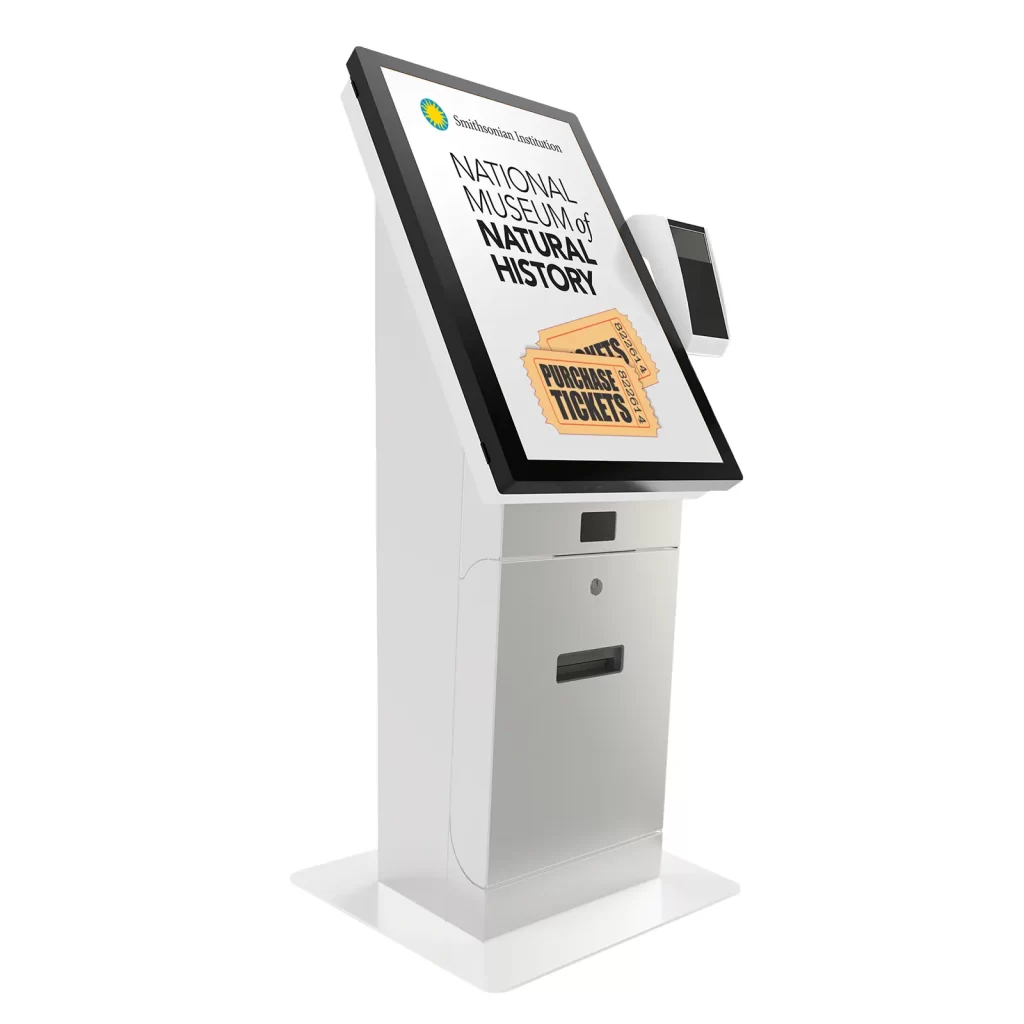
A Self-Service Ticketing Kiosk is an interactive digital kiosk that allows users to purchase tickets independently, without going through a traditional ticket counter. It is equipped with a touchscreen display, an electronic payment system, a ticket printer and often a scanner for QR codes or barcodes.
These devices are designed for installation in both indoor and outdoor environments, thanks to weather-resistant structures and continuous 24/7 operation. In addition to simplifying ticketing management, they integrate with management software and CRM platforms, offering advanced features such as real-time sales monitoring and simplified user access.
In more advanced contexts, these devices are increasingly being installed outdoors as well, becoming a direct access point to the service already in entrance areas, parking facilities and high-traffic open-air spaces.
What Are the Key Features of a Self-Service Ticketing Kiosk?
Key features of a Self-Service Ticketing Kiosk include the ability to independently browse available options, complete purchases in just a few steps, process payments securely and receive tickets in real time, either printed or in digital format.
Let’s take a closer look at each of these features.
- Intuitive touchscreen designed for intensive use
The interfaces of interactive kiosks are designed to be intuitive, accessible and fast to use, even in high-traffic situations. Users can browse the event catalog, view seat availability, compare schedules and prices and complete their purchase in just a few steps. - Integrated payment systems
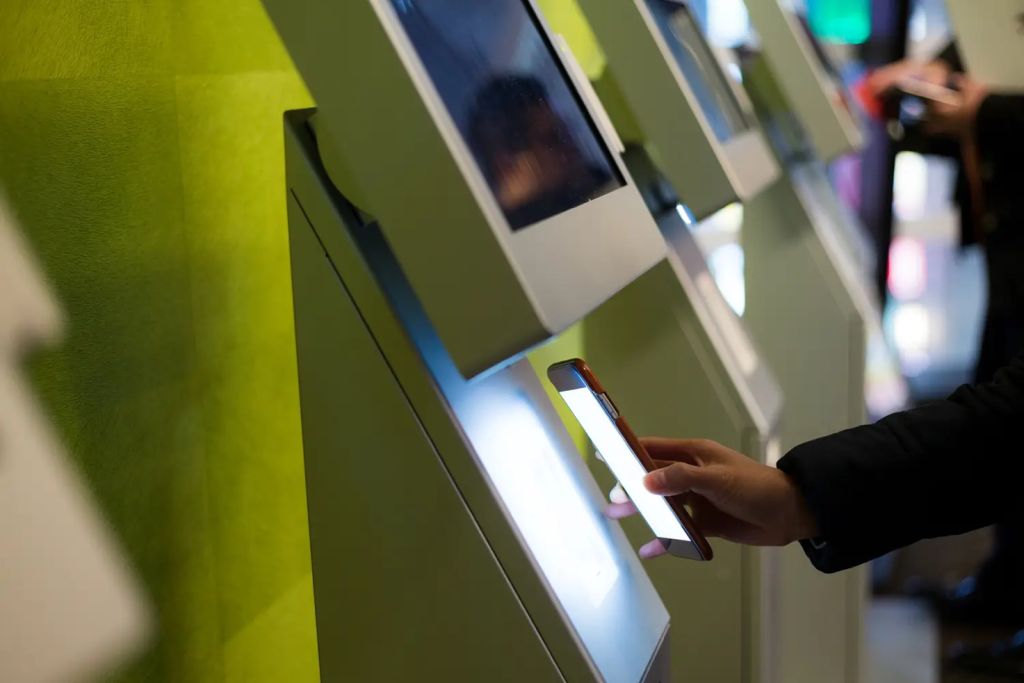
Self-Service Ticketing Kiosks support all major payment methods to ensure maximum user flexibility: contactless terminals, chip cards, NFC technology and digital wallets such as Apple Pay or Google Pay. Some models also include cash payment readers with automated banknote and coin handling, making them ideal for environments where cash usage is still relevant. - Ticket issuance and management
The integrated printing system enables instant ticket issuance on thermal paper, complete with barcode or QR code. Alternatively, users can receive their ticket in digital format via email, SMS or mobile app. Some models also offer additional features such as reprinting, receipt issuance or promotional voucher printing. - Connectivity, software and integration
Kiosks connect via mobile networks (4G/5G), Wi-Fi or Ethernet and are designed to integrate seamlessly with CRM platforms, management software and access control systems. The software handles real-time data synchronization, automatic updates, performance tracking and data collection for further analysis.
Operational Benefits and Market Growth of Self-Service Ticketing Kiosks
Adopting a Self-Service Ticketing Kiosk means reducing queues at ticket counters, speeding up visitor flows and freeing staff to focus on higher-value tasks.
The global interactive kiosk market reached USD 33.9 billion in 2024, with an estimated CAGR of 8.9% through 2029 (MarketsandMarkets, Grand View Research). These figures confirm the growing adoption and strategic importance of Self-Service Ticketing Kiosks as tools for digitalization, automation and user experience enhancement across leisure, culture and entertainment sectors.
How Are Self-Service Ticketing Kiosks Used Across Different Sectors?
Self-Service Ticketing Kiosks for Museums
In museums, Self-Service Ticketing Kiosks provide an efficient way to improve visitor reception and optimize flows, especially during peak hours or when large groups are present.
- Queue reduction: thanks to self-service ticket purchasing, even during busy periods
- Extended service access: kiosks operate 24/7, allowing ticket purchases beyond traditional box office hours
- Distribution of additional services: visitors can obtain vouchers for audio guides, temporary exhibitions or guided tours directly from the kiosk
Self-Service Ticketing Kiosks for Cinemas
the audience experience, particularly during crowded screenings and weekends.
- Crowd management during peak times: kiosks reduce queues at traditional ticket counters, ensuring smoother access
- Combined service purchases: they enable upselling through snack offers, seat upgrades and family deals in a single transaction
- Dynamic and location-based promotions: when integrated with Digital Signage systems, kiosks can deliver real-time offers based on time of day or auditorium occupancy
Self-Service Ticketing Kiosks for Theatres
In theatres, indoor self-service totems improve booking management and audience interaction before performances.
- Simplified booking and ticket collection: users can purchase tickets in advance and collect them in seconds before the show
- Access to detailed information: kiosks provide updated data on available seats, surcharges and merchandising
- Last-minute offers: through Digital Signage integration, theatres can launch flash promotions to fill remaining seats
Self-Service Ticketing Kiosks for Stadiums
Stadiums benefit significantly from kiosks to manage large crowds and ensure orderly and efficient access.
- Operational scalability: kiosks easily adapt to events with tens of thousands of spectators
- Personalized services: issuance of passes for VIP areas, parking and RFID tags for official merchandise
- Integrated access control: direct connectivity to turnstiles and security systems enables immediate and secure ticket verification
Self-Service Ticketing Kiosks for Trade Shows
In trade show environments, Self-Service Ticketing Kiosks simplify participant registration and optimize access management.
- Flexible ticketing: management of daily tickets, multi-day passes and customized exhibitor badges
- QR-enabled badges: instant printing of identification badges with QR codes for fast and trackable access
- Data collection and analytics: kiosks record access data in real time, providing valuable insights for post-event analysis and future marketing strategies
Outdoor ticketing: a natural evolution of self-service
In recent years, self-service ticketing has progressively expanded into outdoor environments as well. In many contexts, the first point of contact between the user and the service is no longer inside a facility, but in entrance areas, parking facilities, waiting zones or access pathways.
Bringing ticketing outdoors means making the service more accessible, improving crowd distribution and reducing pressure on traditional ticket offices, especially during peak hours. This approach is particularly effective in tourism, events, cultural attractions and all those environments where the user experience begins before the actual entrance.
To operate effectively in these scenarios, however, kiosks must be specifically designed for outdoor use, with technical features that ensure visibility, durability and continuous operation. This is exactly the direction in which the most advanced self-service ticketing solutions are evolving.

What Benefits Do Self-Service Ticketing Kiosks Offer to Operators?
Self-Service Ticketing Kiosks provide a strong competitive advantage for operators, not only in terms of user experience but also through tangible internal benefits for the organization.
- Optimization of human resources
Process automation significantly reduces the operational workload on staff, allowing human resources to be allocated to higher value-added activities such as personalized support, event management or customer assistance. - Greater organizational efficiency
From a business management perspective, kiosks improve organizational efficiency by reducing errors associated with manual sales, simplifying reporting and centralizing data through intuitive dashboards. They also enable the collection of valuable insights into user behavior, such as peak times, purchasing preferences and promotion effectiveness, which are essential for optimizing sales and marketing strategies. - Operational flexibility
Operators also benefit from increased operational flexibility: kiosks can be updated remotely, monitored in real time and relocated when needed, for example during events or seasonal peaks.
The adoption of kiosks also contributes to improved process sustainability: ticketing digitalization reduces paper usage, minimizes waste and enables the use of low-power hardware, improving the organization’s environmental footprint. - Measurable financial return (ROI)
Finally, investment in self-service kiosks delivers concrete economic results. Many operators report a return on investment within 6-12 months, driven by increased ancillary sales, reduced fixed costs and improved overall efficiency. These factors, combined with the perception of a more modern and innovation-driven brand, further strengthen a company’s market competitiveness.
Fida’s Self-Service Ticketing Kiosk Solutions
FIDA offers a comprehensive range of outdoor and indoor kiosks designed to meet the specific needs of museums, cinemas, theatres, stadiums and trade shows. Each model combines refined design, advanced technology and maximum resistance to harsh weather conditions, delivering tailored solutions for efficiently managing different user flows and operational contexts.
TSS Outdoor – Self-Ordering Kiosk and Ticket Vending Machine for Outdoor Environments
TSS Outdoor is Fida’s solution designed to bring ticketing and self-payment services into outdoor environments, where the user experience increasingly begins. Designed for applications in museums, tourist attractions, events, parking facilities, beach resorts and high-traffic areas, it enables users to independently manage purchasing, payment and ticket collection operations directly outdoors.
The 2,500 nit high-brightness touch display ensures excellent visibility even under direct sunlight, while the anti-glare glass improves content readability. The structure is designed to withstand weather conditions and vandalism, ensuring reliability and continuous operation even in exposed environments.
Thanks to the integration of POS systems, QR code readers and thermal printers, TSS can be configured as a complete ticket vending machine, allowing users to purchase tickets, make payments and receive their access credentials quickly and intuitively.
A solution that enables operators to extend services beyond indoor spaces, improve crowd management and offer a more accessible, autonomous and distributed user experience.
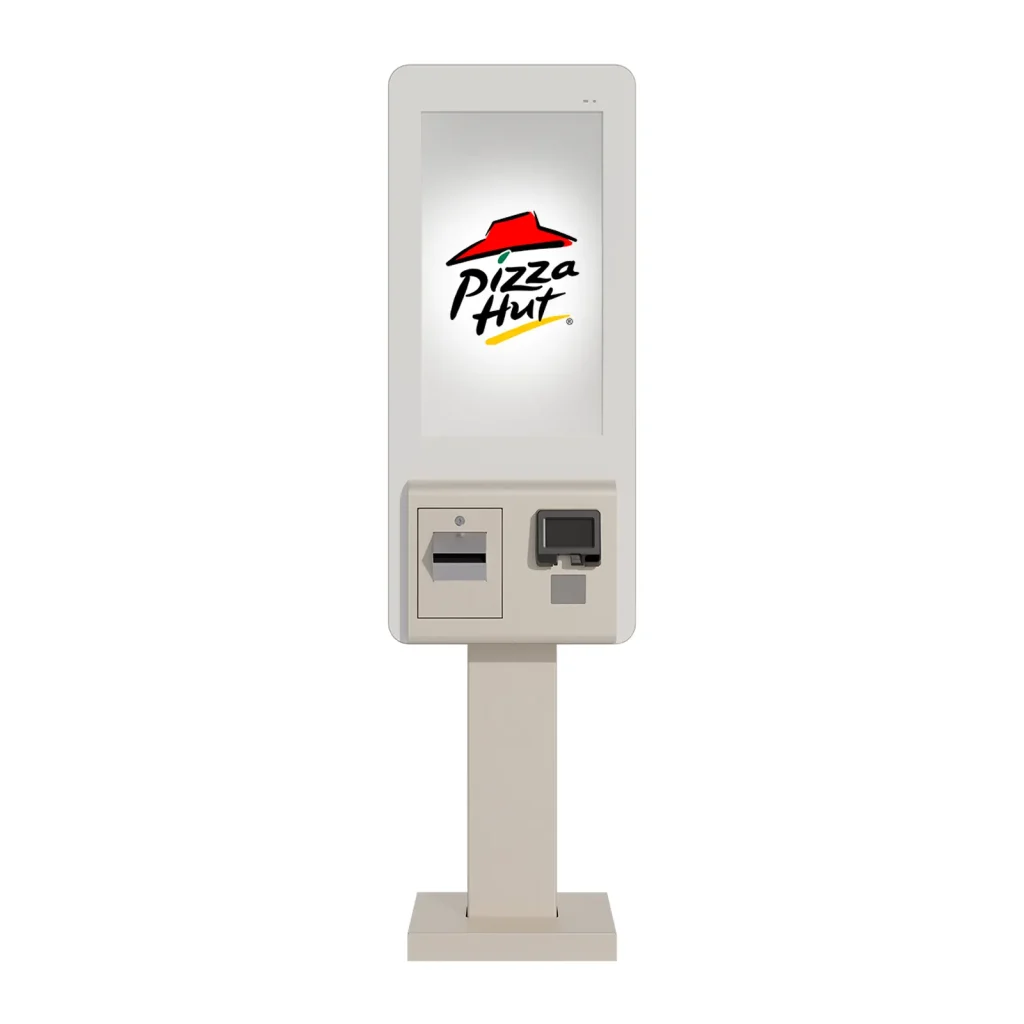
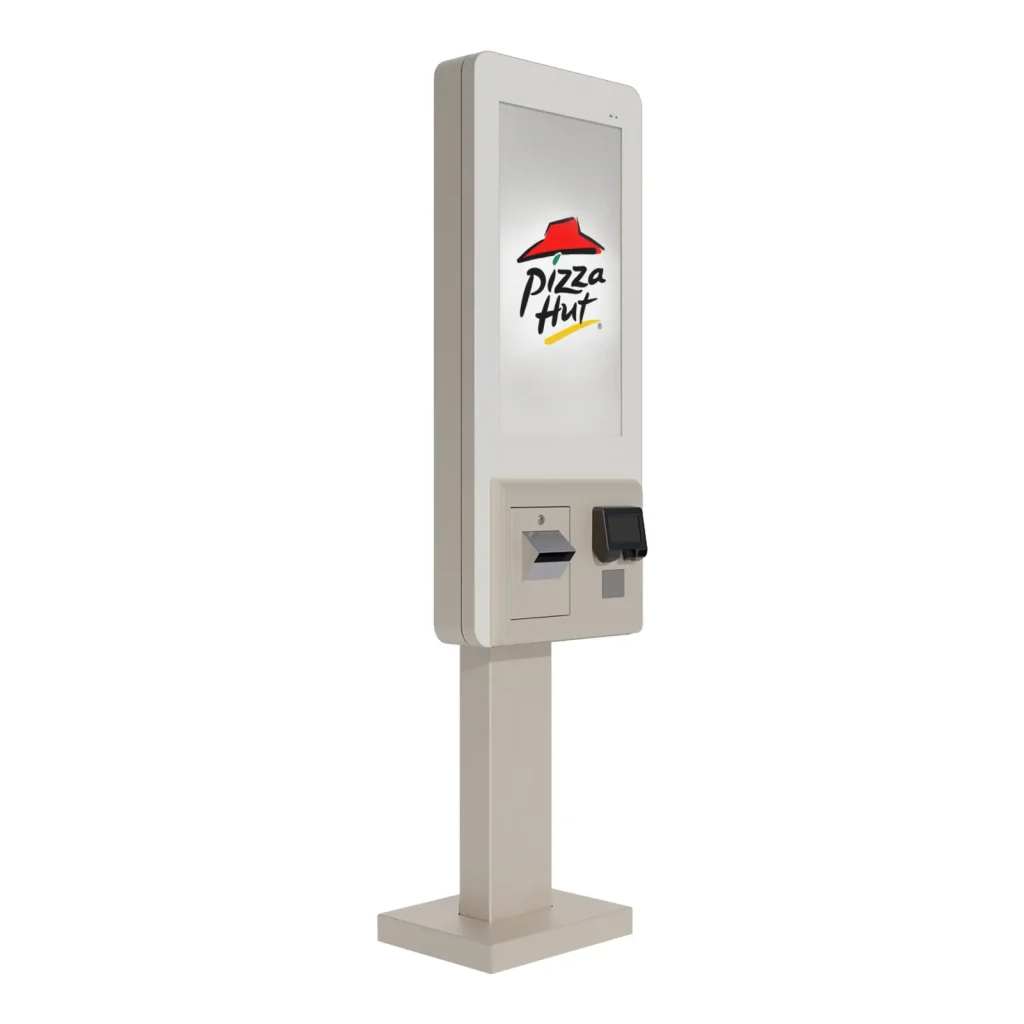
TSK Indoor Kiosk for Self-Service Payments
A self-service payment and ordering kiosk featuring a 27’’ touchscreen display. Available in single-sided or double-sided versions, it can be installed on the floor, wall-mounted or countertop-mounted and customized with branded graphics.


A multifunctional information kiosk for indoor environments, ideal for digital content consultation, queue management and self-ordering applications. Elegant, accessible and easy to maintain.
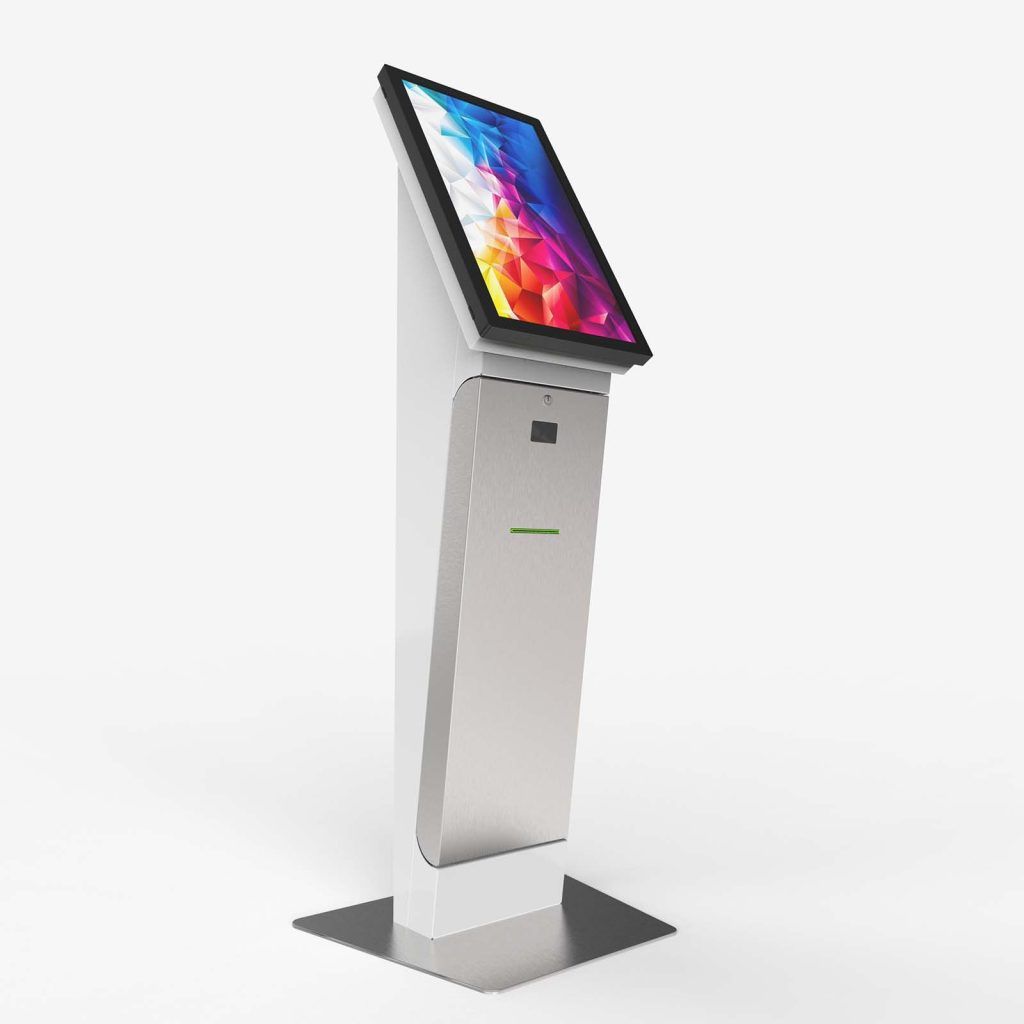

TKT Multifunction Interactive Kiosk
A compact countertop or wall-mounted version designed for limited spaces without compromising advanced functionality. It offers easy access, touch interaction, electronic payments and receipt printing.